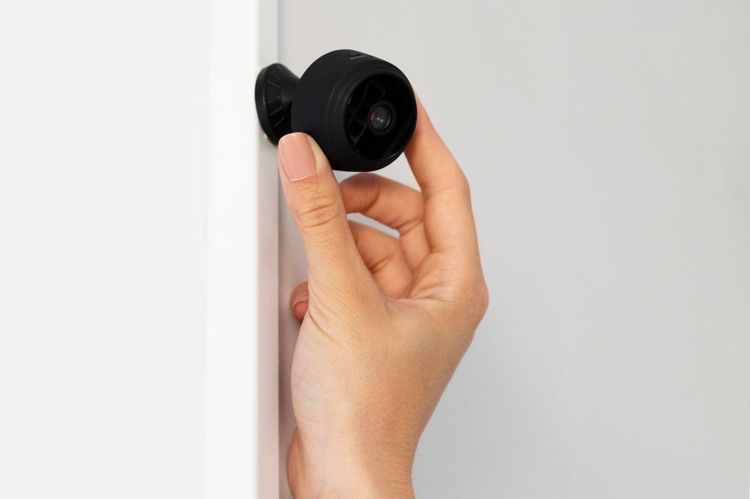
As families look for ways to keep aging parents safe at home, technology often seems like the obvious answer. Motion sensors, smart devices, emergency alerts — and increasingly, cameras placed inside the home.
For many adult children living far away, a camera can feel like reassurance. A quick glance at an app can confirm that a parent is moving around, eating, or safely asleep. In theory, it offers peace of mind.
But for many older adults, the experience can feel very different.
The growing use of home monitoring cameras raises an important question: Where is the line between safety and surveillance?
Understanding that line is essential for families who want to support independence without compromising dignity.
Why Families Turn to Cameras
Most families don’t install cameras out of control or suspicion. They do it out of concern.
Common reasons include:
- Fear of falls or medical emergencies
- Living far away from parents
- Previous health incidents
- Memory issues or cognitive decline
- Desire for quick reassurance during the day
In many cases, the decision happens after a frightening event. A fall that went unnoticed. A missed medication. A long period without contact.
In those moments, cameras seem like a simple solution.
But what feels like protection to one person can feel invasive to another.
How Seniors Often Experience Cameras
Many older adults describe indoor cameras not as safety tools, but as constant observation.
Even when cameras are placed with good intentions, they can trigger uncomfortable feelings:
- Loss of independence
- Feeling watched or judged
- Embarrassment during private moments
- Anxiety about being monitored
Imagine knowing that someone might open an app at any time and see what you're doing in your own living room.
For a generation that values independence and privacy deeply, this can feel unsettling.
Some seniors simply ignore the cameras. Others cover them with tape or unplug them entirely.
And many never say how they truly feel — because they don’t want to seem ungrateful.
The Privacy vs. Safety Debate
Families often frame the situation as a difficult trade-off:
Safety or privacy.
But the reality is more nuanced.
Safety doesn’t always require surveillance. And privacy doesn’t mean families must remain uninformed.
The real challenge is finding systems that support awareness without constant observation.
Because the goal isn’t to monitor every moment.
The goal is to know when something changes.
What Seniors Actually Value
When older adults are asked what helps them feel supported while aging at home, their answers rarely include cameras.
Instead, they mention things like:
- Regular conversations
- Someone noticing if their mood changes
- A sense that someone cares about their day
- The ability to ask for help without feeling monitored
In other words, connection matters more than observation.
A person may be physically safe at home while still feeling isolated.
And no camera can detect loneliness, confusion, or subtle changes in emotional well-being.
Alternative Ways to Stay Connected
Fortunately, technology is evolving beyond simple monitoring tools.
Several approaches aim to balance safety with dignity.
1. Check-In Based Systems
Instead of constant monitoring, some services rely on regular check-ins.
These can happen through phone calls, voice assistants, or simple routines that confirm everything is normal.
This approach focuses on presence rather than surveillance.
2. Voice-First Support
Voice-based systems are particularly effective for seniors because they don’t require apps, screens, or technical knowledge.
A simple conversation can reveal far more than a camera ever could.
Changes in tone, energy level, or daily routine often appear in conversation first.
3. Human Connection as Monitoring
One of the most overlooked monitoring systems is also the simplest: talking regularly.
Daily or frequent conversations allow someone to notice subtle shifts:
- fatigue
- confusion
- unusual quietness
- missed routines
These signals are often the earliest indicators that something isn’t right.
Services like HelloDear are built around this idea. Instead of watching through a camera, the platform provides friendly daily phone conversations with seniors.
These calls don’t feel like monitoring — they feel like companionship. Yet they can still reveal meaningful changes in mood, health, or routine that families might otherwise miss.
The result is awareness without intrusion.
The Emotional Side of Monitoring
For many adult children, the hardest part of caregiving is distance.
You want to be there.
You want to know everything is okay.
But work, geography, and life make constant presence impossible.
This often leads to guilt.
Cameras sometimes become a technological solution to an emotional problem: the fear of not doing enough.
But monitoring every moment rarely reduces anxiety for long.
True peace of mind comes from knowing someone is actively connecting, not just observing.
Choosing Technology That Preserves Dignity
When families consider monitoring tools, it helps to ask a few important questions:
- Would I feel comfortable living with this system myself?
- Does this technology support independence or limit it?
- Does it create connection or simply observation?
- Has my parent been part of the decision?
Respecting autonomy is essential.
Even well-intentioned safety tools can damage trust if they are imposed without conversation.
Involving seniors in the decision process often leads to better solutions — and stronger relationships.
When Cameras May Still Be Appropriate
There are situations where cameras may be necessary, particularly when serious medical conditions are involved.
For example:
- advanced dementia
- high fall risk
- nighttime wandering
- medical supervision requirements
In these cases, cameras may serve a legitimate safety function.
But even then, transparency and consent remain important.
Clear communication about where cameras are placed and why can help reduce feelings of surveillance.
A Different Model of Support
The future of elder care technology is gradually moving away from passive monitoring and toward active engagement.
Instead of watching silently, systems are being designed to interact, listen, and respond.
Daily conversations, simple check-ins, and human-centered support can provide valuable insights while preserving dignity.
Services like HelloDear reflect this shift — offering seniors regular social interaction while giving families reassurance that someone is paying attention.
It’s not about replacing family involvement.
It’s about creating a supportive layer between visits and phone calls.
Finding the Right Balance
Aging at home is deeply personal.
What feels supportive to one person may feel intrusive to another.
The challenge for families is not simply choosing technology — it’s choosing how care should feel.
Support should never turn a home into a surveillance space.
The best solutions protect safety while preserving the things that matter most to older adults:
privacy, independence, and the sense that they are still trusted.
Sometimes, the most effective monitoring isn’t a camera on the wall.
It’s a voice on the phone asking, “How was your day?”