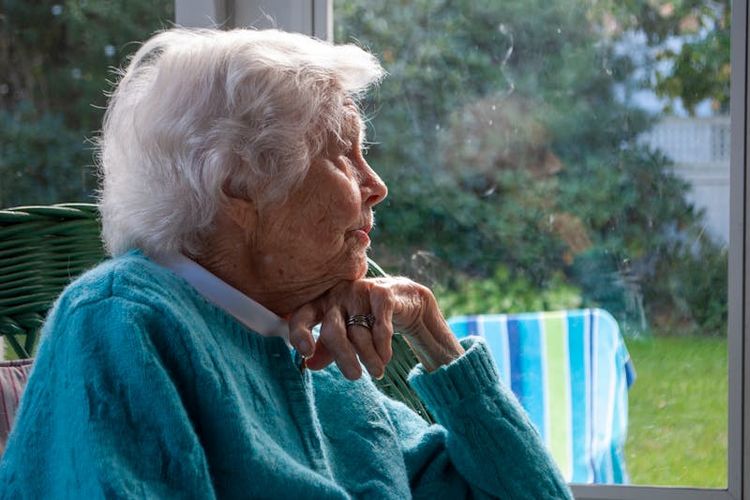
Living alone is often framed as a victory of independence.
For many older adults, it represents autonomy, dignity, and control over their own lives. Families take comfort in hearing, “I’m fine. I manage.”
But what actually happens — day by day — when an older adult lives alone?
This article walks through a 30-day observational lens, drawing from caregiver reports, gerontology research, and real-world patterns families often don’t notice until something goes wrong.
Not to argue against independence — but to understand when it quietly turns into risk.
Week 1: Everything Looks Normal
The first days usually feel reassuring.
Grandma:
- Wakes up at her usual time
- Prepares simple meals
- Watches familiar TV programs
- Answers the phone politely
- Says she’s doing “just fine”
From the outside, nothing seems wrong.
This is the stage where families often think:
“She’s independent. She doesn’t need help.”
But subtle shifts begin almost immediately — not dramatic enough to trigger concern, but meaningful over time.
Week 2: Small Changes Begin to Stack
By the second week, patterns start to shift.
Not emergencies — just quiet drift.
Common signs:
- Meals become less regular or less nutritious
- Conversations grow shorter
- Days blend together
- Motivation drops slightly
- Sleep patterns become inconsistent
These are rarely noticed because no single change feels urgent.
But isolation doesn’t usually show up as sadness.
It shows up as less engagement.
Solitude vs. Loneliness (They Are Not the Same)
This distinction matters.
Solitude is chosen.
It’s restorative, peaceful, and intentional.
Loneliness is unchosen.
It’s the absence of meaningful connection — even if the person doesn’t complain.
An older adult can:
- Live alone
- Speak to people occasionally
- Still experience deep loneliness
Many seniors won’t name loneliness directly. Instead, it appears as:
- “I didn’t feel like cooking today.”
- “I didn’t really do much.”
- “I’m just tired.”
These are not medical symptoms — but they are signals.
Week 3: What Families Often Miss
By week three, missed indicators become more visible — if someone is paying attention.
Families commonly overlook:
- Repetition in stories
- Reduced curiosity
- Flat emotional tone
- Changes in word choice
- Fewer references to plans or future events
None of these alone indicate crisis.
Together, they can signal:
- Cognitive slowing
- Low mood
- Early decline in routine
- Increased vulnerability to accidents or illness
This is often when independence quietly shifts toward risk, without anyone consciously deciding it has.
When “Independent” Becomes “At Risk”
Independence is not binary.
There is a long middle space where someone:
- Lives alone
- Manages basics
- But lacks regular human feedback
Risk increases when:
- No one speaks with them daily
- Changes go unobserved
- Check-ins are sporadic
- Conversations are rushed or purely logistical
This is how families end up saying:
“We had no idea anything was wrong.”
Because nothing was wrong — until it was.
Week 4: Compounding Effects
By the fourth week, isolation can amplify itself.
Less conversation leads to:
- Reduced verbal fluency
- Lower confidence
- Less initiative to reach out
- Greater emotional withdrawal
And once routines loosen, regaining them becomes harder.
This is also the stage where:
- Falls are more likely
- Confusion goes unnoticed
- Sleep disruption increases
- Mood decline becomes entrenched
Still, many seniors will say:
“I don’t want to be a burden.”
Which keeps families in the dark.
Intervention Without Intrusion
The solution isn’t surveillance.
And it isn’t taking away independence.
The most effective interventions are:
- Early
- Gentle
- Human
- Respectful
Examples of dignity-preserving support:
- Daily conversation, not monitoring
- Pattern awareness, not constant alerts
- Shared insight, not control
- Support that works with independence, not against it
Where HelloDear Helps — Quietly
HelloDear was created for this exact in-between space.
It supports older adults who live alone by providing:
- Daily friendly phone conversations
- No apps, smartphones, or devices
- Natural human dialogue
- Subtle wellbeing signals based on tone, engagement, and routine
- Weekly summaries for families or caregivers
For Grandma:
- It feels like a friendly call
- No learning curve
- No feeling of being watched
For families:
- Insight without intrusion
- Early awareness of change
- Reassurance without constant checking
HelloDear doesn’t replace independence — it protects it.
What This 30-Day Lens Teaches Us
Living alone isn’t the problem.
Living unseen is.
Most decline doesn’t happen suddenly.
It happens quietly — in tone, rhythm, and daily habits.
The earlier we notice changes, the more options we have:
- To preserve dignity
- To extend aging in place
- To support without control
- To stay connected without hovering
Independence and connection are not opposites.
They are partners.