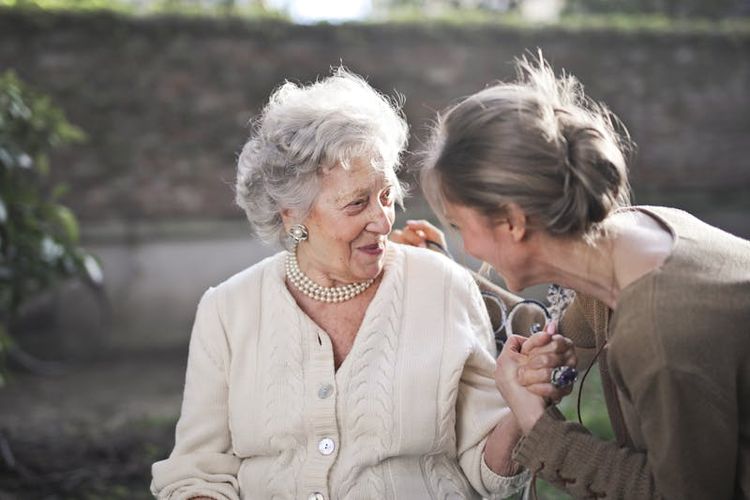
Certified Nursing Assistants (CNAs) are the backbone of elder care.
They are the ones helping seniors out of bed in the morning.
They notice when someone hasn’t eaten.
They hear the subtle changes in mood, energy, or speech long before a chart ever reflects it.
And yet, across healthcare systems, CNAs are increasingly treated not as caregivers — but as administrative extensions of broken systems.
The result?
Burnout. Turnover. And a care experience that fails both workers and seniors.
The Burnout Crisis No One Is Solving
The numbers are alarming — and consistent across the industry:
- Annual CNA turnover: 65–75%
- Median tenure: less than 2 years
- Chronic understaffing reported in most long-term care facilities
- Burnout rates higher than nurses, despite lower pay and less authority
CNAs leave not because they don’t care — but because they care too much in systems that give them too little.
Many report:
- Emotional exhaustion
- Moral distress from rushed care
- Physical strain
- Feeling invisible or undervalued
And one complaint comes up again and again:
“I didn’t get into healthcare to spend my shift clicking boxes.”
When Documentation Steals Care Time
Documentation matters.
But somewhere along the way, it overtook care itself.
Today, CNAs are often expected to:
- Log multiple systems per shift
- Document routine observations in detail
- Track compliance metrics
- Complete redundant forms for different departments
All while still providing hands-on care.
Every minute spent documenting is a minute not spent talking, observing, comforting, or noticing changes.
Ironically, the system designed to “capture care” is actively reducing the very human moments that define it.
The Pay vs. Responsibility Gap
CNAs carry enormous responsibility:
- Direct daily care
- Fall prevention
- Early detection of decline
- Emotional support for residents and families
- First line of escalation in emergencies
Yet compensation rarely reflects this reality.
Many CNAs earn:
- Near-minimum wage
- Less than retail or warehouse jobs
- Without meaningful benefits or career mobility
The message this sends is dangerous:
Your work is essential — but not valuable.
That contradiction drives talented, compassionate people out of the profession.
Surveillance Isn’t Support
In response to staffing shortages and liability concerns, some organizations have turned to monitoring-heavy technology:
- Constant alerts
- Cameras
- Wearables
- Dashboards designed for management, not caregivers
These tools often feel like surveillance, not assistance.
Instead of empowering CNAs, they:
- Increase cognitive load
- Create fear of “missing something”
- Shift focus from residents to screens
- Undermine trust
Technology meant to improve care should never make frontline workers feel watched instead of supported.
What CNAs Actually Need From Technology
Ask CNAs what would help, and the answers are remarkably consistent:
- Fewer interruptions
- Less redundant documentation
- Clearer priorities
- Better communication with families
- More time for actual human interaction
In other words:
Technology that works quietly in the background — not technology that demands attention.
The goal isn’t more data.
It’s less friction.
Where HelloDear Fits In (Without Replacing Care)
HelloDear was designed with this exact tension in mind.
It does not replace CNAs.
It does not monitor them.
And it does not add documentation tasks.
Instead, HelloDear provides:
- Daily friendly phone conversations with seniors
- Voice-based wellbeing signals (mood, routine, engagement)
- Weekly summaries for families and care teams
- No apps, devices, or training required for seniors
For CNAs, this means:
- Fewer anxious family calls asking “How is Mom really doing?”
- Another layer of continuity when staffing is stretched
- Insight without extra charting
- Support that respects human judgment
HelloDear doesn’t replace observation — it amplifies it, without adding burden.
A Shift Is Already Happening
The industry is slowly waking up.
Emerging trends include:
- Human-centered care models
- Task reduction for frontline staff
- Voice-first, ambient technology
- Shared responsibility between families and care teams
- Burnout prevention as a quality metric
The future of elder care won’t be built on surveillance or paperwork.
It will be built on trust, time, and tools that stay out of the way.
If We Respect the Work, We Must Respect the Worker
CNAs are not interchangeable.
They are not assistants to software.
They are not data-entry clerks.
They are trained caregivers performing emotionally demanding work — every single day.
If we want better care for seniors, we must:
- Reduce administrative overload
- Pay fairly for responsibility
- Design technology that empowers
- Protect time for human connection
Because when CNAs are supported, everyone benefits:
- Residents feel seen
- Families feel reassured
- Care teams function better
- Outcomes improve
CNAs are healthcare heroes.
It’s time our systems treated them like it.