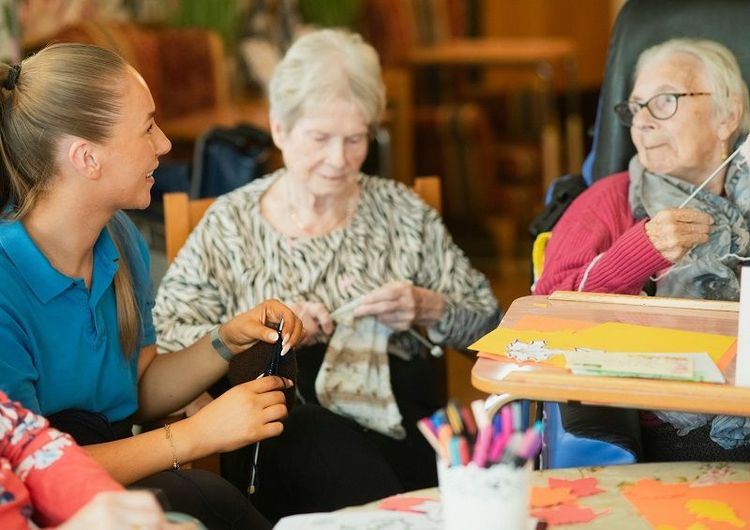
Caring for an older adult is one of the most meaningful roles a person can take on. It’s rooted in love, responsibility, and a desire to do what’s right. But caregiving — whether within a family or as part of a professional care team — can quietly become overwhelming.
Caregiving burnout rarely arrives suddenly. It builds slowly, through unanswered questions, constant vigilance, emotional strain, and the pressure to always be available.
Understanding why burnout happens — and how consistent, supportive systems can reduce both emotional and administrative load — is essential for sustaining quality care and caregiver wellbeing.
What Is Caregiving Burnout?
Caregiving burnout is a state of prolonged physical, emotional, and mental exhaustion related to ongoing caregiving responsibilities.
It can affect:
- Adult children caring for aging parents
- Spouses supporting a partner
- Professional caregivers and nursing staff
- Care coordinators and case managers
- Anyone balancing caregiving with work and personal life
Burnout doesn’t mean someone lacks compassion or commitment.
It means they’ve been giving continuously — without enough support, clarity, or rest.
Burnout Doesn’t Always Look Like Burnout
Many caregivers don’t recognize burnout when it begins.
Instead of obvious exhaustion, it often appears as:
- Constant low-level anxiety
- Difficulty relaxing, even during downtime
- Irritability or emotional numbness
- Trouble concentrating
- Feeling guilty for wanting a break
Caregivers may feel they need to “push through,” especially when caring for someone vulnerable. Over time, this mindset becomes unsustainable.
The Invisible Emotional Load of Caregiving
Much of caregiving stress comes from what caregivers carry internally.
Family caregivers often experience:
- Worry about daily wellbeing they can’t observe
- Fear of missing early warning signs
- Guilt for living far away or being busy
- Emotional responsibility without shared context
Professional care teams carry:
- Responsibility for multiple individuals
- Pressure to document and communicate accurately
- Fragmented information from different sources
- The emotional weight of being the “safety net”
This invisible load is exhausting — and often unacknowledged.
Why Inconsistency Fuels Burnout
One of the strongest drivers of caregiver burnout is inconsistency.
Examples include:
- Missed or irregular check-ins
- Delayed updates reaching families
- Incomplete handovers between shifts
- Information scattered across systems
When caregivers lack a clear, consistent picture of how someone is doing day-to-day, they’re forced to fill in the gaps mentally.
Uncertainty creates:
- Increased stress
- More follow-up work
- More emotional strain
- A sense of constant vigilance
Consistency, by contrast, creates calm.
Clarity Is Not the Same as Control
Caregivers don’t need to know everything.
They need to know enough.
Clarity means:
- Understanding patterns over time
- Knowing when things are stable
- Recognizing when something has shifted
- Feeling confident in shared decisions
Without clarity, caregivers often default to over-checking, over-worrying, or over-working — all contributors to burnout.
The Family Caregiver Experience: Love and Guilt
Family caregivers face a unique emotional challenge.
Many are balancing:
- Jobs and careers
- Children or grandchildren
- Geographic distance
- Their own health and wellbeing
They may ask themselves:
- “Am I calling enough?”
- “What if something changes and I miss it?”
- “Am I doing enough from afar?”
Support systems should ease this emotional burden — not add to it.
Regular, gentle updates can replace constant worry with reassurance.
The Professional Caregiver Experience: Admin Overload
For care teams, burnout is often tied to administrative burden.
Documentation, coordination, and reporting can consume hours — sometimes more than direct care itself.
When systems are inefficient:
- Staff feel rushed
- Information gets lost
- Collaboration suffers
- Emotional fatigue increases
Reducing administrative load isn’t just about efficiency — it’s about preserving caregivers’ energy for human connection.
How Consistent Support Reduces Burnout
The most effective way to reduce caregiver burnout is not by asking caregivers to do more — but by supporting them better.
Supportive systems should:
- Create reliable daily touchpoints
- Surface meaningful patterns over time
- Share clear summaries instead of raw data
- Fit naturally into existing workflows
Consistency reduces mental load.
Clarity reduces emotional strain.
How HelloDear Supports Caregivers
HelloDear was designed to support both families and care teams without adding complexity.
Through warm, regular phone conversations with older adults, HelloDear creates:
- Predictable daily check-ins
- Non-clinical wellbeing insights
- Weekly family digests with clear trends
- SBAR-style summaries aligned with professional workflows
This approach provides caregivers with:
- Fewer unknowns
- Less need for constant follow-up
- Better shared understanding
- More peace of mind
Caregivers stay informed — without being overwhelmed.
Emotional Support Is Part of the System
Burnout isn’t only about tasks. It’s about feeling alone in responsibility.
When caregivers:
- Trust the information they receive
- Feel supported by consistent systems
- Know they’re not the only ones paying attention
…their emotional resilience improves.
Support systems act as a quiet partner — sharing the weight.
Sustainable Care Requires Sustainable Caregiving
Care cannot be sustainable if caregivers are depleted.
Sustainable caregiving includes:
- Shared responsibility
- Clear communication
- Gentle, regular insight
- Respect for human limits
When caregivers are supported, they can bring patience, presence, and compassion — rather than exhaustion — into every interaction.
Caring for Caregivers Is Essential Care
Caregiving burnout is not a personal failure.
It’s a sign that support systems need strengthening.
By reducing uncertainty, simplifying communication, and lightening both emotional and administrative load, we improve care for everyone involved.
HelloDear supports people — not replaces them.
Because caring for caregivers is an essential part of caring well.