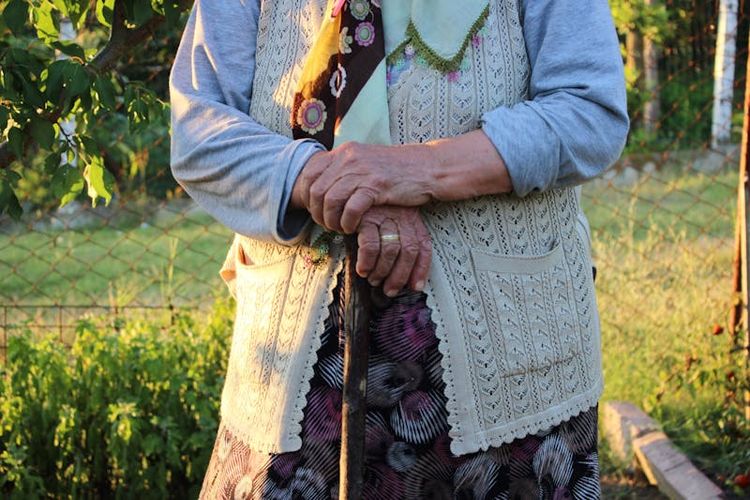
When families say, “She fell,” it sounds like a single event. A moment. An accident.
But most senior falls aren’t isolated incidents. They’re symptoms.
Like a fever that signals infection, a fall often reveals something deeper happening beneath the surface — subtle health changes, medication side effects, cognitive shifts, or gradual behavioral patterns that went unnoticed.
If we only focus on the fall itself, we miss the real story.
Falls Are Signals, Not Just Accidents
It’s easy to blame a loose rug, poor lighting, or slippery tiles. And yes, environmental hazards matter. But in many cases, the fall didn’t begin with the floor — it began weeks or months earlier.
A fall can signal:
- A new medication that affects balance
- Changes in blood pressure regulation
- Vision decline
- Dehydration
- Muscle weakness
- Cognitive impairment
- Fear-driven mobility changes
When an older adult falls, the right question isn’t just “What did they trip over?”
It’s “What changed?”
The Hidden Role of Medications
Many older adults take multiple prescriptions daily. This is called polypharmacy, and it significantly increases fall risk.
Common medication-related fall triggers include:
- Dizziness from blood pressure medications
- Sedation from sleep aids
- Confusion from certain pain medications
- Slower reaction times from anxiety treatments
- Blood sugar fluctuations from diabetes medications
Even medications that have been stable for years can suddenly affect someone differently as the body ages.
Sometimes the fall happens not because the medication is “wrong,” but because the body’s response has changed.
And the early signs often appear subtly:
- “I feel a little lightheaded lately.”
- “I just feel off.”
- “Maybe I stood up too fast.”
These statements often go unreported — because they don’t seem serious.
Until they are.
Vision Changes: The Quiet Risk Factor
Vision doesn’t usually fail dramatically. It declines gradually.
Depth perception weakens.
Contrast sensitivity drops.
Night vision worsens.
A patterned carpet becomes a confusing visual field.
A single step looks flat.
Shadows appear like obstacles.
Older adults may not even realize how much their vision has changed — especially if the shift has been slow.
Instead of saying “I can’t see well,” they might say:
- “The lighting is bad in here.”
- “That step is strange.”
- “These floors are slippery.”
The brain fills in gaps until it can’t.
And then comes the fall.
Cognitive Decline and Judgment Errors
Not all falls are physical in origin. Some begin with cognitive changes.
Mild cognitive impairment and early dementia affect:
- Spatial awareness
- Judgment
- Risk assessment
- Task sequencing
An older adult may attempt to carry laundry and hold the railing at the same time.
They may forget they need assistance.
They may misjudge distances or overestimate their strength.
These are not clumsy mistakes — they are neurological shifts.
And they often show up in daily behavior before they show up in medical charts.
The Early Warning Patterns Families Miss
Falls rarely come without clues.
Weeks or months beforehand, families might notice:
- Increased fatigue
- Reduced walking distance
- Avoiding stairs
- Holding onto furniture more frequently
- Unexplained bruises
- Changes in sleep
- Less frequent outings
- Hesitation when standing up
But these patterns can be subtle — especially if you don’t see your loved one every day.
A weekly visit might not reveal gradual decline.
A monthly call might miss behavioral shifts.
And older adults themselves may minimize symptoms because they don’t want to worry anyone.
- “I’m fine.”
- “It’s nothing.”
- “Just getting older.”
That phrase — “just getting older” — often hides early warning signs.
Environmental Factors vs. Health Factors
Home safety modifications are important. Grab bars, railings, improved lighting — all valuable.
But here’s the uncomfortable truth:
You can install every safety device in the world and still miss the root cause.
If the fall was caused by dizziness, the rug wasn’t the problem.
If the fall came from confusion, the staircase wasn’t the only risk.
If muscle weakness is progressing, removing clutter won’t rebuild strength.
Environmental safety reduces impact.
Health awareness reduces likelihood.
The best prevention strategy combines both.
The Psychological Side of Falling
After a fall, something else often happens: fear.
Fear changes behavior in ways that increase risk.
An older adult may:
- Walk more slowly (increasing instability)
- Avoid activity (leading to muscle loss)
- Isolate themselves
- Decline social invitations
- Refuse to admit they’re struggling
Fear of falling can create the exact physical weakness that makes another fall more likely.
And many seniors won’t talk about that fear.
Because it feels like losing independence.
Prevention Through Conversation, Not Just Construction
We often treat fall prevention like a home renovation project.
Install this. Fix that. Rearrange furniture.
But one of the most powerful prevention tools is something far simpler: regular conversation.
Daily or frequent check-ins can reveal subtle shifts long before a fall happens.
Changes in tone.
In energy.
In breathing patterns.
In memory consistency.
In how someone describes their day.
Sometimes the earliest signal of increased fall risk isn’t physical — it’s conversational.
- “I didn’t go out today. Felt a bit tired.”
- “I almost tripped earlier.”
- “I don’t like using the stairs anymore.”
Those are data points.
But they only surface if someone is listening consistently.
That’s where services like HelloDear play a meaningful role.
HelloDear calls seniors daily — not to interrogate, not to monitor aggressively — but to talk. Friendly, human conversations.
Over time, patterns emerge.
If someone who used to sound energetic now sounds fatigued every morning, that’s a signal.
If confusion appears in small ways, that’s a signal.
If they mention near-misses or changes in routine, that’s a signal.
And families are notified if something feels different.
No apps.
No wearable devices.
No complex systems to manage.
Just consistent human connection — which often catches what technology misses.
Why Falls Are Often the First Visible Symptom
In many cases, the fall is simply the first event dramatic enough to force attention.
But the underlying issue may have been developing quietly:
- Progressive muscle loss (sarcopenia)
- Balance decline
- Medication interactions
- Early dementia
- Dehydration patterns
- Depression-related inactivity
When we shift our mindset from “How do we prevent the next fall?” to “What is this fall telling us?” we move from reaction to prevention.
What Actually Reduces Fall Risk Long-Term
Research consistently points to multi-factor approaches:
- Medication reviews
- Regular vision checks
- Strength and balance training
- Hydration awareness
- Cognitive assessments
- Social engagement
And crucially — consistent monitoring of subtle changes.
Not through constant alarms or intrusive devices.
But through ongoing awareness.
Daily human contact.
Pattern recognition.
Early intervention.
The Bigger Picture
A fall isn’t just a fall.
It’s often the body’s way of saying, something has shifted.
When we only fix the environment, we address the surface.
When we listen carefully, we address the cause.
Families can’t be physically present every day. But consistent communication can bridge that gap.
The goal isn’t to eliminate all risk — aging carries natural vulnerability.
The goal is to catch the whispers before they become emergencies.
Because most falls don’t start with the floor.
They start with small, quiet changes that someone needed to notice.