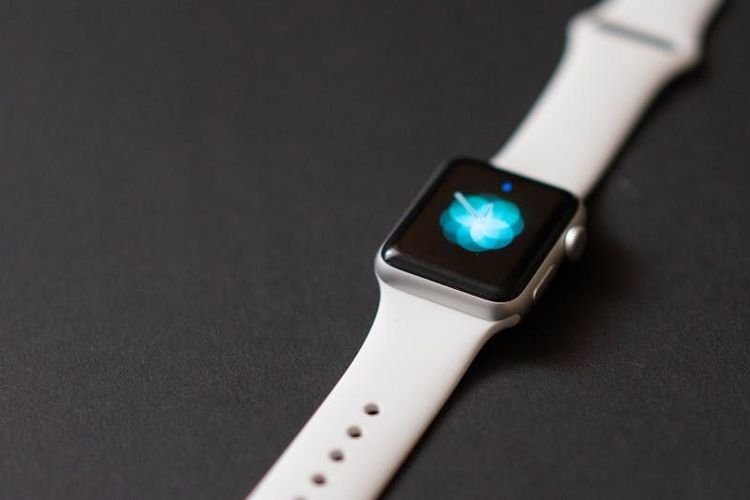
For years, the tech industry has promised that wearable devices would revolutionize elder care.
Smartwatches would detect falls.
Fitness trackers would monitor heart rates.
Apps would keep families informed in real time.
On paper, it all makes sense.
In reality, adoption among older adults remains far lower than expected — especially among those over 75. Many seniors receive devices as gifts, try them briefly, and then quietly abandon them.
Why?
Because the problem isn’t the technology.
It’s the assumptions behind it.
The Adoption Gap No One Talks About
Devices like the Apple Watch and Fitbit are widely used by younger adults. But when introduced to seniors, especially those aging at home, several barriers appear:
- Devices go uncharged
- Watches sit in drawers
- Apps are never opened
- Notifications are ignored
- Data goes unseen
Families often assume resistance is stubbornness. In reality, it’s friction.
And friction compounds quickly in later life.
Charging Anxiety: The Hidden Barrier
One of the most overlooked challenges is charging.
For a younger user, plugging in a device at night is automatic. For an older adult, it becomes:
- One more task to remember
- One more cord to manage
- One more thing that can “go wrong”
Many seniors already manage:
- Multiple medications
- Doctor appointments
- Bills and paperwork
- Hearing aids
- CPAP machines
Adding a wearable creates what psychologists call cognitive load creep — small responsibilities that accumulate until they feel overwhelming.
And when a device dies because it wasn’t charged?
Shame enters the equation.
“I must have done something wrong.”
That feeling alone can end adoption.
Complexity Overwhelm
Even well-designed devices assume familiarity with:
- Touchscreen gestures
- Menu navigation
- Bluetooth pairing
- Software updates
- Password resets
For seniors who didn’t grow up with digital interfaces, this creates a subtle but constant stress response.
Not panic — just tension.
“What if I press the wrong thing?”
“What if I break it?”
“What if I can’t fix it?”
Instead of empowerment, the device becomes a reminder of declining competence.
And dignity matters deeply in later life.
The Dignity Problem
Wearables are often marketed as tools for “monitoring” and “tracking.”
But many older adults hear something different:
“You don’t trust me.”
“You’re watching me.”
“You think I can’t manage.”
Even when the intention is safety, the framing can feel infantilizing.
Older adults don’t want to be monitored.
They want to be respected.
A device strapped to the wrist can feel like surveillance — especially when children are the ones checking the data.
The “One More Thing to Remember” Problem
Aging often brings subtle memory changes.
Even without dementia, many seniors experience:
- Slower recall
- Increased forgetfulness
- Difficulty forming new habits
Wearing a device consistently requires routine formation:
- Put it on in the morning
- Take it off at night
- Charge it
- Sync it
- Respond to alerts
Each step is simple in isolation. Together, they form a fragile chain.
Break one link — and the system fails.
When tech relies on perfect consistency, it often collapses under normal human variability.
Device-First vs. Voice-First Thinking
Most elder tech is device-first.
It assumes:
- A device is present.
- The user interacts with it correctly.
- The data collected reflects reality.
But older adults often engage most naturally through voice — not screens.
They are comfortable:
- Talking on the phone
- Conversing
- Responding verbally
Voice requires no interface learning. No swiping. No icons.
A voice-first approach reduces friction dramatically.
Instead of asking seniors to adapt to technology, it adapts to them.
What Actually Works: Invisible Technology
The most successful elder-care technologies share one characteristic:
They disappear.
Invisible technology:
- Doesn’t require new habits
- Doesn’t require charging routines
- Doesn’t demand constant interaction
- Doesn’t signal “you’re being monitored”
It integrates into existing behavior.
For many older adults, the most natural daily behavior is answering the phone.
That’s not resistance to progress.
That’s preference for familiarity.
Why Data Alone Isn’t Enough
Wearables promise data:
- Heart rate variability
- Step count
- Sleep cycles
- Fall detection
But data without context can mislead.
A reduced step count may signal:
- Bad weather
- Joint pain
- Sadness
- Social withdrawal
A wearable cannot interpret emotion.
Often, the earliest signs of decline aren’t physiological — they’re conversational:
- Slower speech
- Reduced enthusiasm
- Shorter answers
- Withdrawal
These signals are human, not biometric.
The Emotional Reality of Aging
Families want reassurance.
They want to know:
“Are they okay today?”
Not:
“What was their resting heart rate at 2:17 a.m.?”
Peace of mind isn’t built on raw metrics.
It’s built on patterns of engagement.
Technology that centers human interaction rather than passive tracking tends to succeed more often in older populations.
Where HelloDear Fits
HelloDear was built with one core assumption:
Older adults don’t need another device.
They need consistent, human connection.
Instead of wearables, HelloDear provides regular friendly phone conversations — through a simple call. No apps. No charging. No setup.
These conversations:
- Support emotional wellbeing
- Encourage daily rhythm
- Reduce isolation
- Surface subtle changes in mood or engagement
Families receive structured weekly summaries that highlight patterns — not surveillance data, but meaningful insight.
No wristband.
No dashboard anxiety.
No “did you charge it?”
Just a voice, a conversation, and clarity.
In a world obsessed with tracking, sometimes the most powerful signal is human speech.
Rethinking Elder Tech
The failure of wearable adoption among seniors isn’t about stubbornness or technological illiteracy.
It’s about design mismatch.
When tools increase cognitive load, threaten dignity, or require new daily responsibilities, they struggle.
When support feels invisible, respectful, and natural, it sticks.
The future of elder care technology may not be smaller devices or smarter sensors.
It may be simpler systems that meet older adults where they already are.
And often, that place is at the other end of a phone call.