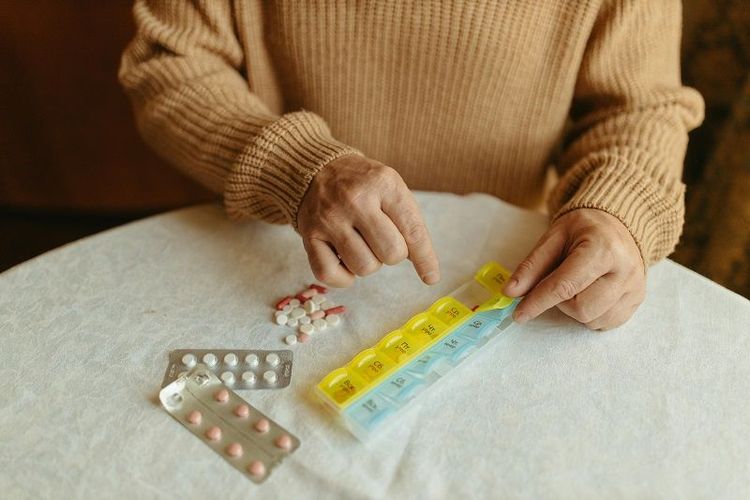
Para muitas famílias, o medo não é dramático. É silencioso.
Você se pergunta:
A mamãe tomou seu comprimido de pressão hoje?
O papai renovou a receita?
Ele está pulando doses porque se sente tonto?
A não adesão à medicação — não tomar os medicamentos conforme prescrito — afeta quase 50 % dos idosos. É um dos riscos de saúde mais subestimados na população idosa. E raramente acontece porque alguém é descuidado.
Acontece porque o sistema é muito complicado.
Vamos detalhar o porquê.
Por que tantos idosos têm dificuldade com medicamentos
1. Sobrecarga de complexidade
Aos 70 anos ou mais, muitos adultos tomam de 5 a 10 medicamentos por dia. Diferentes doses, horários, alguns com alimento, outros sem, alguns uma vez ao dia, outros duas, alguns “conforme necessidade”.
Mesmo para adultos cognitivamente saudáveis, isso é difícil.
Acrescente:
- Declínio leve de memória
- Mudanças na visão
- Artrite que dificulta abrir frascos
- Comprimidos parecidos
Gerenciar medicamentos se torna um quebra-cabeça diário.
E ninguém quer admitir que está confuso.
2. Esquecimento (sobre o qual ninguém fala)
Nem todo esquecimento é demência.
Pode ser causado por:
- Rotinas interrompidas
- Sono ruim
- Estresse
- Perda auditiva, que leva a instruções mal compreendidas
Uma dose perdida aqui, uma renovação esquecida ali.
O que parece irresponsabilidade é frequentemente apenas limite da memória humana sob pressão.
3. Efeitos colaterais que parecem piores que a doença
Muitos idosos interrompem silenciosamente os medicamentos porque:
- Sentem tontura
- Sentem náusea
- Sentem-se confusos
- Sentem-se cansados
Em vez de chamar o médico, decidem sozinhos:
“Vou parar com isso.”
Idosos muitas vezes não querem “incomodar” ninguém. Principalmente os filhos.
4. Custo e orgulho
Alguns medicamentos são caros.
Em vez de dizer: “Não posso pagar”, o idoso pode:
- Esticar doses
- Pular dias
- Cortar comprimidos ao meio
- Evitar renovar receitas
Pressão financeira + dignidade = não adesão silenciosa.
Os reais perigos de pular medicamentos
Não tomar medicamentos não é inofensivo.
Aumenta o risco de:
- AVC (medicamentos de pressão não tomados)
- Infarto
- Agravamento do diabetes
- Quedas (níveis inconsistentes de medicação)
- Reinternações
Mais sutil: Quando os medicamentos são tomados de forma inconsistente, os médicos não conseguem ver o que realmente funciona. Isso leva a mudanças desnecessárias, doses mais altas e, às vezes, mais efeitos colaterais.
Uma pequena inconsistência diária gera uma cascata médica maior.
Por que lembretes sozinhos não funcionam
Famílias costumam tentar:
- SMS diário: “Você tomou suas pílulas?”
- Organizadores de comprimidos
- Alarmes
- Dispensadores inteligentes
- Wearables
Essas ferramentas ajudam, mas frequentemente criam outro problema: reclamações constantes.
Cada ligação vira cobrança:
“Tomou seus remédios?”
“Tem certeza?”
“Não esqueça de novo.”
A relação muda de conexão para supervisão.
Muitos idosos resistem, pois querem independência, não monitoramento.
Monitoramento sem cobrança
A solução não é mais controle.
É melhor conversa.
A adesão melhora quando:
- Os idosos se sentem ouvidos
- Efeitos colaterais são discutidos abertamente
- Padrões são percebidos cedo
- Alguém verifica regularmente
Não interrogando. Não policiando.
Apenas conexão humana consistente.
Às vezes o problema não é o comprimido, mas:
“Tenho me sentido tonto.”
“Não dormi bem.”
“Estou apenas cansado.”
Sinais precoces que raramente aparecem em chamadas semanais.
Por que check-ins semanais não detectam o padrão
Mudanças de saúde não seguem o calendário.
Se alguém:
- Pula medicamentos na segunda
- Sente tontura na terça
- Cai na quinta
uma chamada no domingo é tarde demais.
Problemas com medicamentos podem se intensificar em 48–72 horas.
Sem contatos consistentes, pequenas mudanças passam despercebidas.
Suporte à medicação baseado em conversas
Aqui entram check-ins humanos diários.
Não para interrogatório.
Mas para perceber.
Uma ligação amigável diária cria:
- Rotina
- Responsabilidade sem pressão
- Espaço para pequenas queixas
- Detecção precoce de mudanças
Ao falar todos os dias, padrões aparecem:
“Esqueci de novo.”
“Esse comprimido me deixa estranho.”
“Ainda não peguei.”
Momentos valiosos para prevenção.
Onde HelloDear se encaixa
HelloDear foi criado com uma ideia: conexão constante reduz riscos silenciosos.
Através de ligações diárias amigáveis (sem apps, sem dispositivos, sem aprendizado técnico), os idosos recebem:
- Conversa humana
- Estrutura suave do dia
- Momento natural para falar de medicação
- Contato consistente em que a família pode confiar
Não é app de lembrete.
Não é dispositivo de monitoramento.
É ritmo diário.
Ao perguntar:
“Como você está hoje?”
conversas sobre medicamentos acontecem naturalmente.
Efeitos colaterais surgem mais cedo.
Receitas esquecidas são detectadas mais rápido.
Padrões tornam-se visíveis antes de virar emergência.
E a família não carrega mais sozinha todo o peso mental.
Visão geral
A adesão a medicamentos vai além das pílulas.
Trata de:
- Carga cognitiva
- Dignidade
- Medo de incomodar
- Isolamento
- Estresse financeiro
- Saúde em mudança
Um alarme não resolve tudo.
Mas presença humana constante ajuda.
Muitas vezes o problema real não é a recusa, mas navegar pela complexidade sozinho.
Conclusão
Se 50 % dos idosos não tomam medicamentos corretamente, isso não é falha individual.
É uma falha do sistema.
E a solução não é mais pressão.
É melhor suporte.
Constante. Calmo. Humano.